

Water knowledge
Articles
Arsenic, heavy metals, drinking water standards and how water is tested, written from official sources.
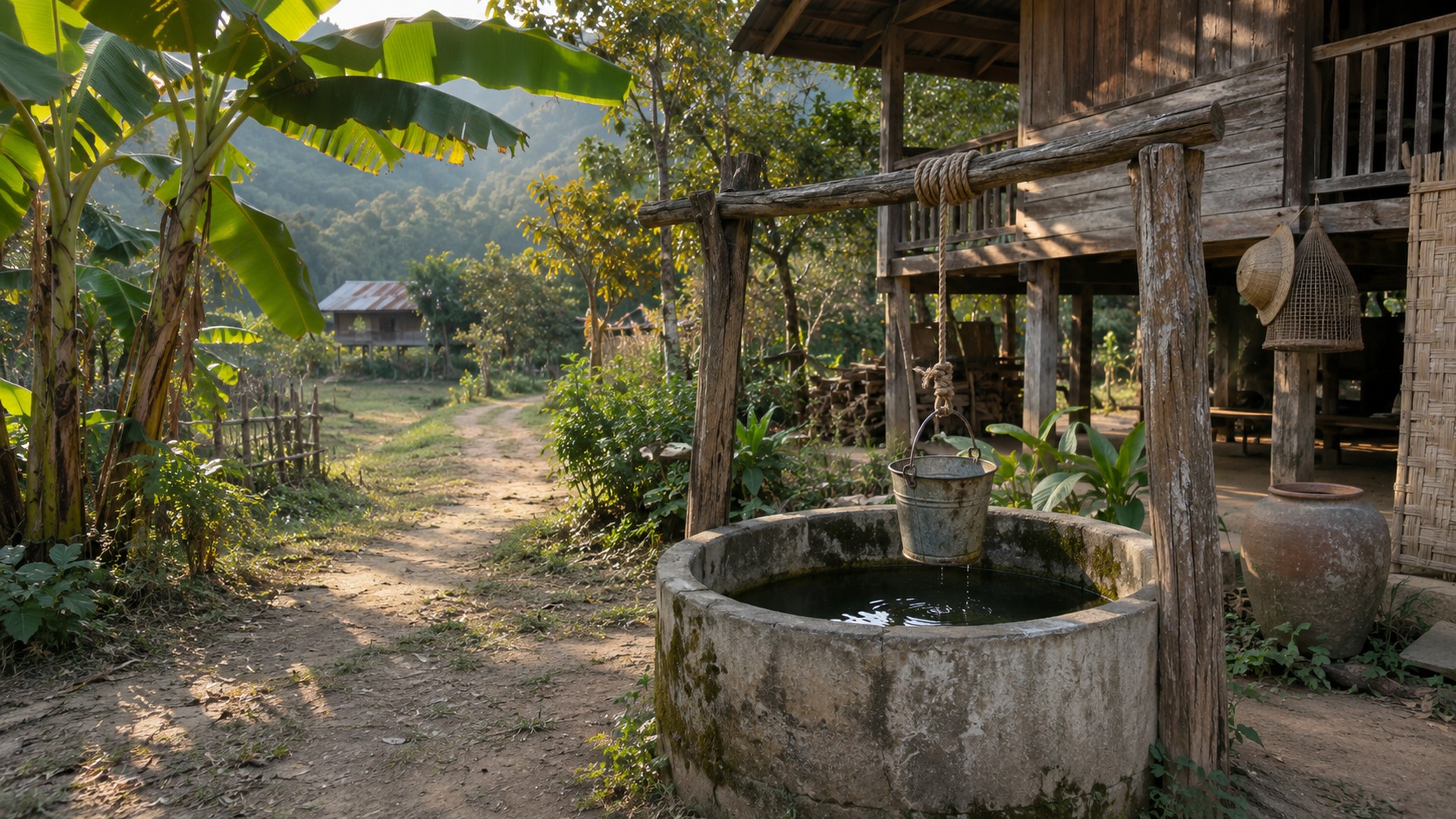 What Is Arsenic? Where It Comes From, Why It Matters and How to Test Water for ItWhat is arsenic? A natural element in rocks and groundwater. Learn where arsenic in water comes from, its health risks, the 0.01 mg/L limit and how to test.
 Heavy Metals in Water: 4 to Watch (Arsenic, Lead, Cadmium and Mercury)Heavy metals in water to watch: arsenic, lead, cadmium and mercury. Where they come from, health effects, drinking water limits and how to test for them.
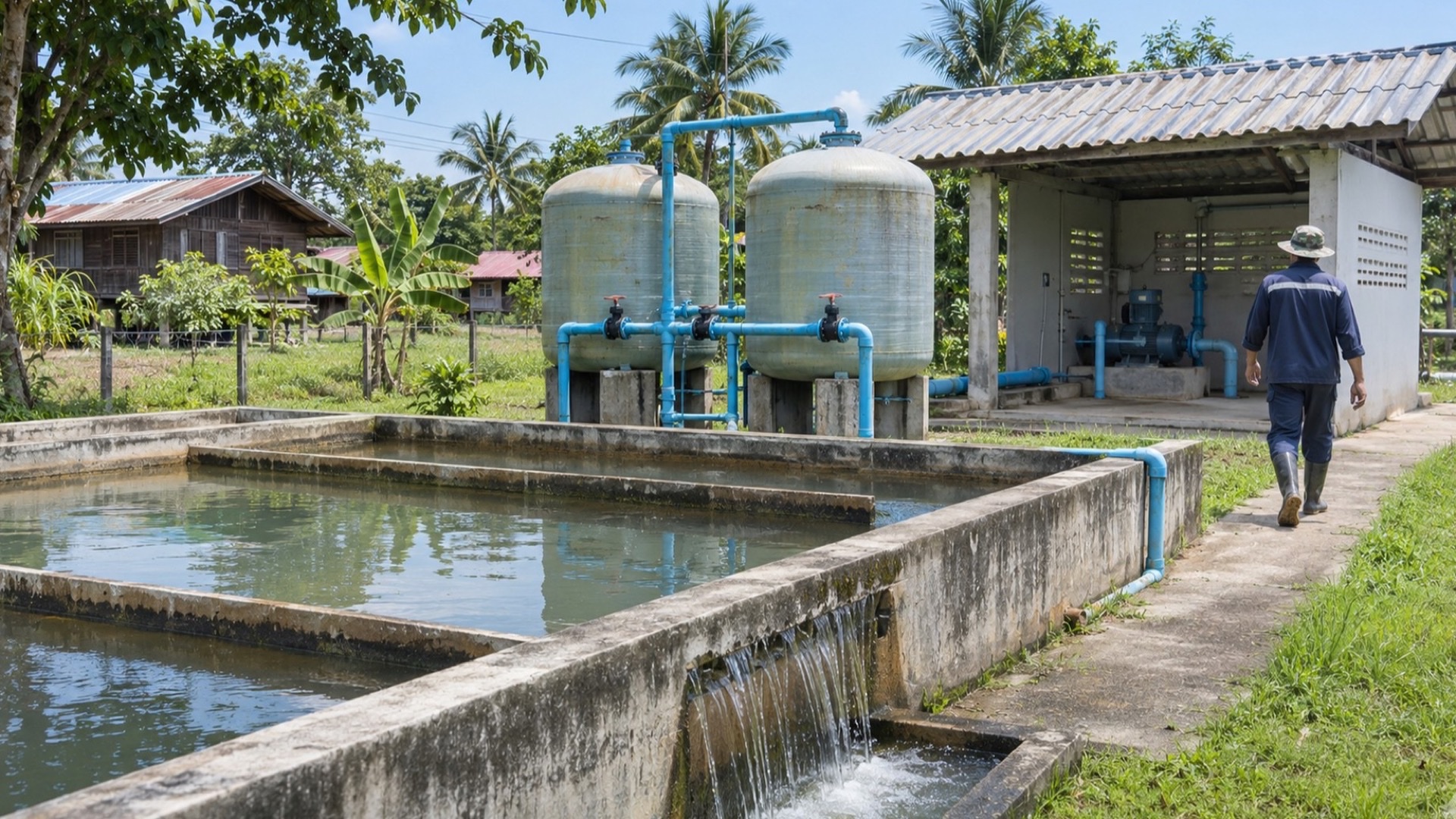 Drinking Water Standards in Thailand: How to Read the 2020 Tap Water Criteria and Which Values MatterThailand's drinking water standards for tap water (2020) list 21 items. How to read results, arsenic and lead limits vs WHO guidelines, and next steps.
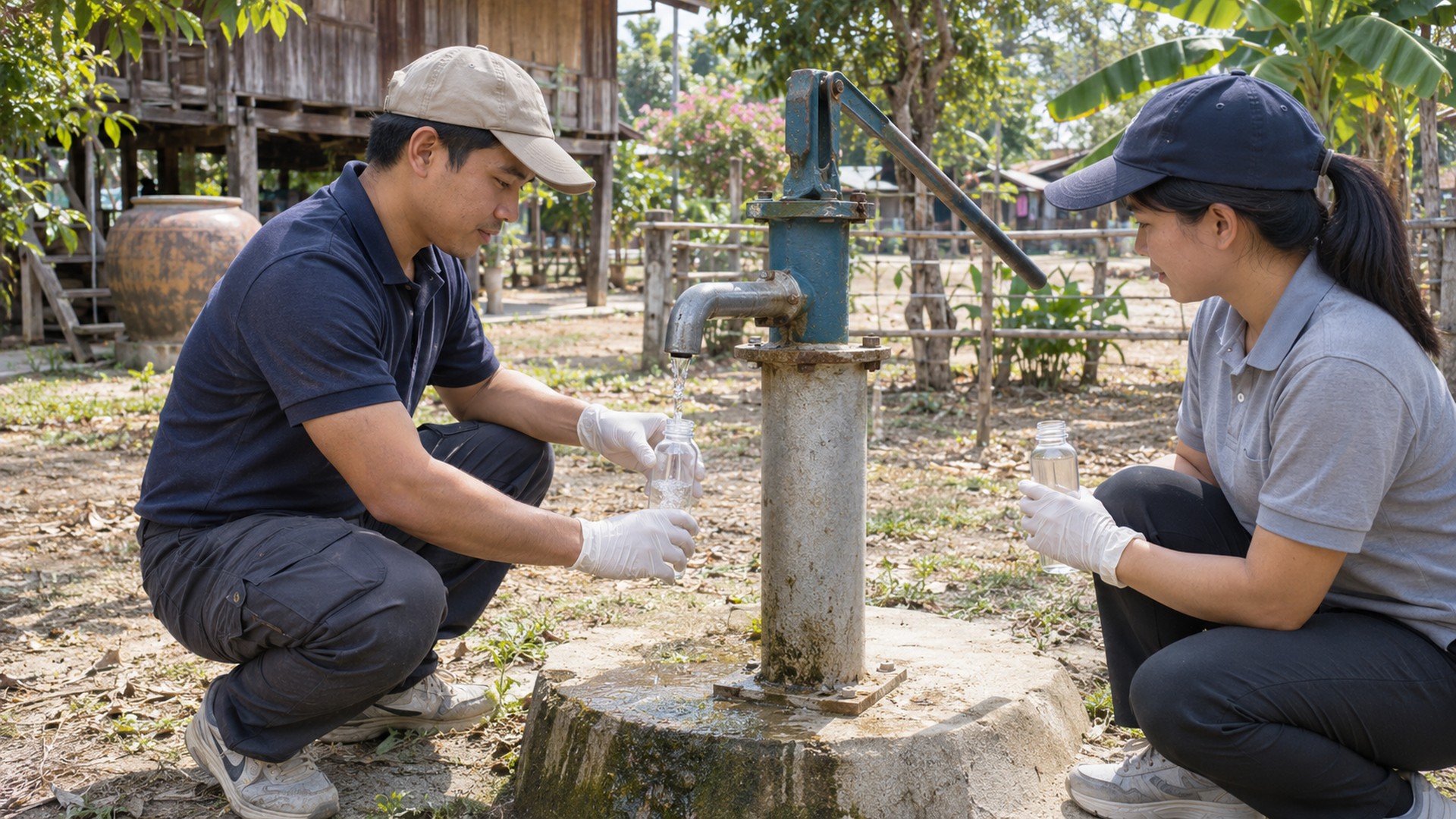 Water Quality Testing for Heavy Metals: Colorimetric Kits, Electrochemical Field Kits and LaboratoriesWater quality testing for heavy metals uses 3 main methods: colorimetric kits, electrochemical field kits and laboratories. How they differ and work together.
 What Is ppm? What Is ppb? How to Read a Water Test ResultWhat is ppm? Parts per million; ppb is parts per billion. In water they equal mg/L and µg/L. Convert mg/L to ppm and ppm to ppb, and compare to limits.
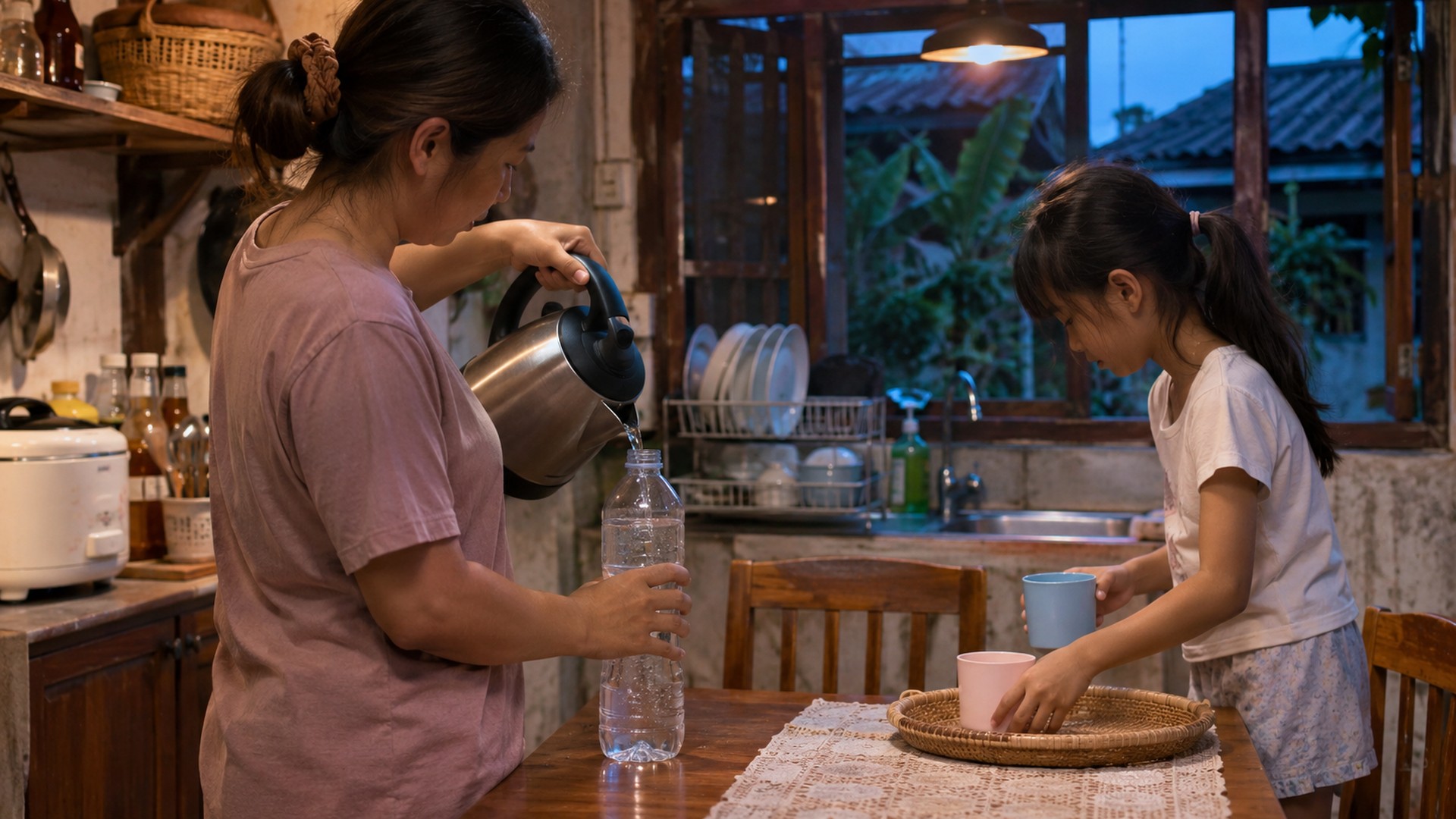 Is Tap Water Safe to Drink? What to Check, and What Boiling Can and Cannot DoIs tap water safe to drink? Check certification, tanks, pipes, color, smell and test results. Boiling kills germs but does not remove arsenic or heavy metals.
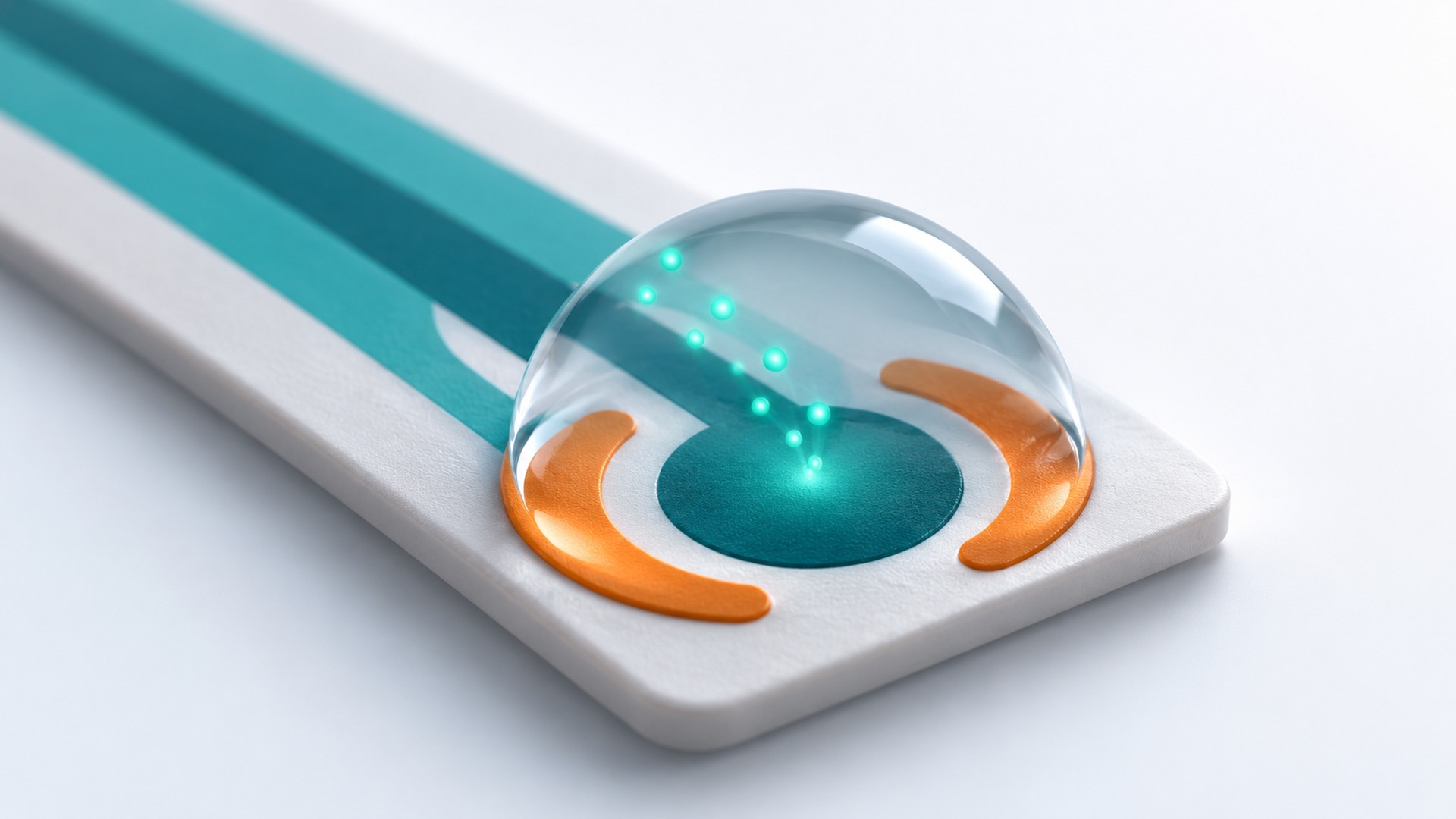 What Is an Electrochemical Sensor? How It Works and How It Measures Heavy Metals in WaterWhat is an electrochemical sensor? Learn how three electrodes, a potentiostat and anodic stripping voltammetry turn heavy metals in water into a number.
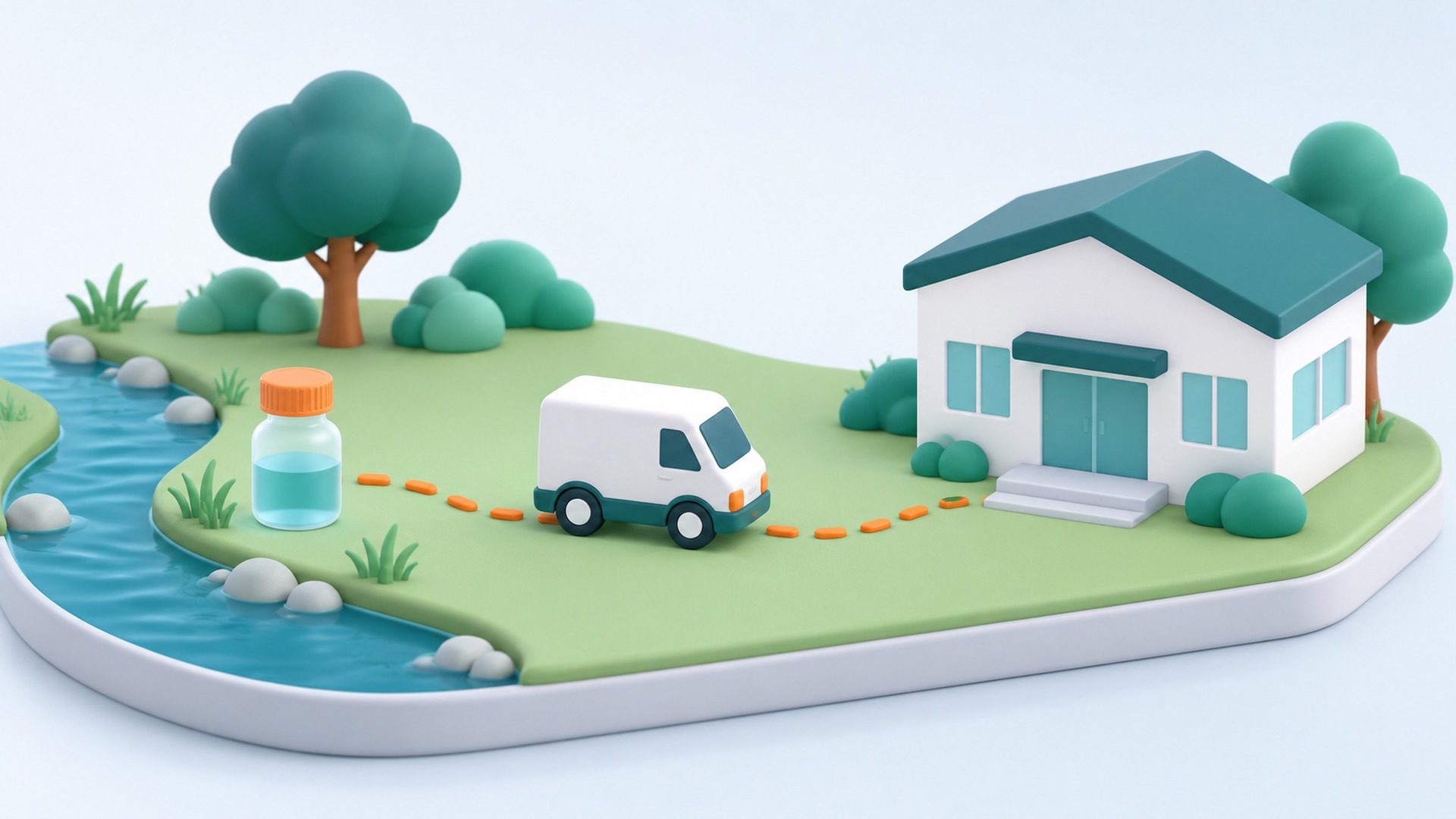 What Are ICP-MS and AAS? How Laboratories Test Heavy Metals, and How They Differ From Field Test KitsWhat are ICP-MS and atomic absorption spectroscopy (AAS)? How labs measure heavy metals in water, how they differ from field kits, and how to send samples.
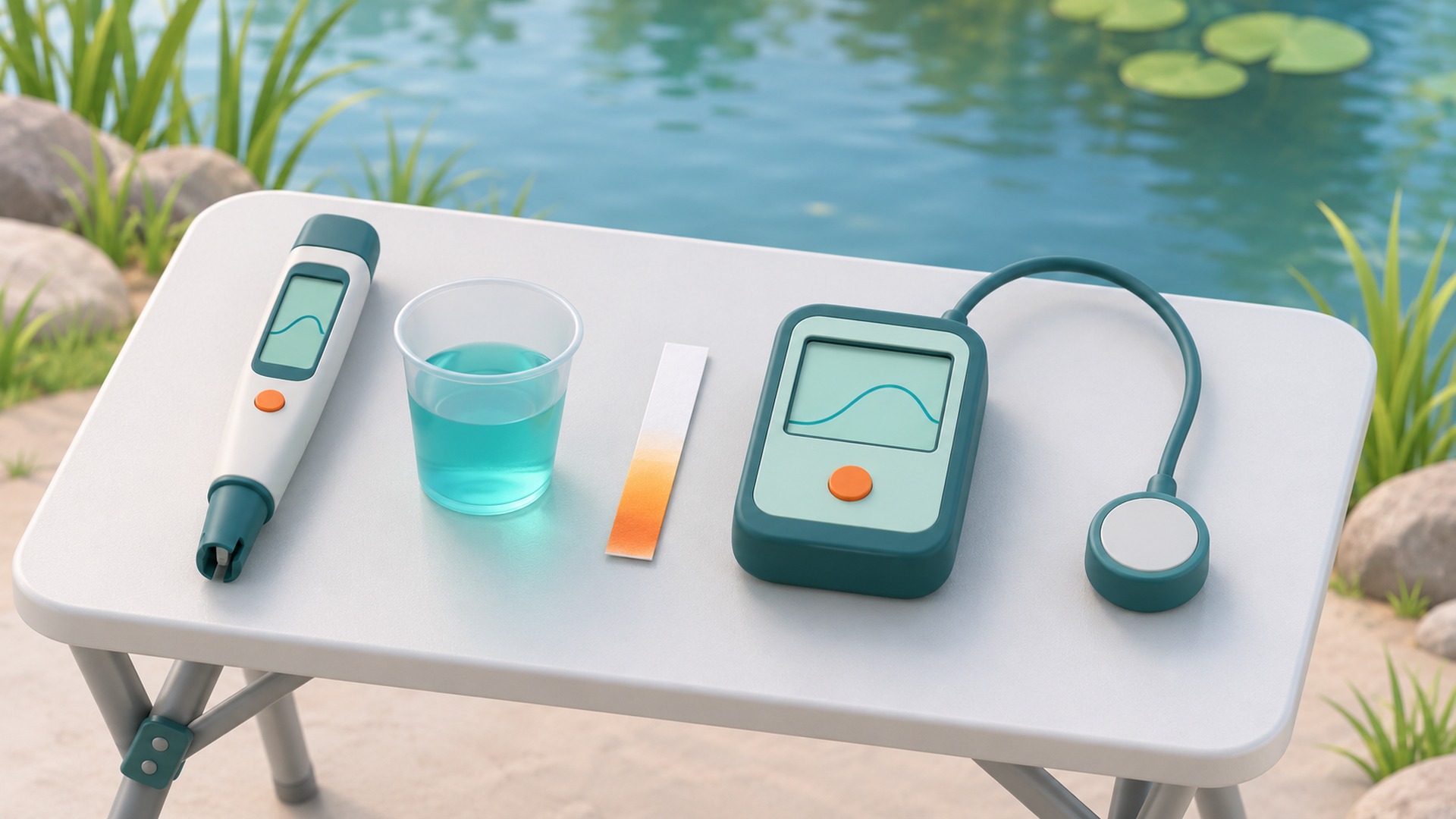 Water Quality Meter Types: What Each One Measures and How to Choose the Right OneWater quality meter types explained: pH and TDS meters, water test kits, heavy metal test kits, online monitors and laboratories, and what each can measure.
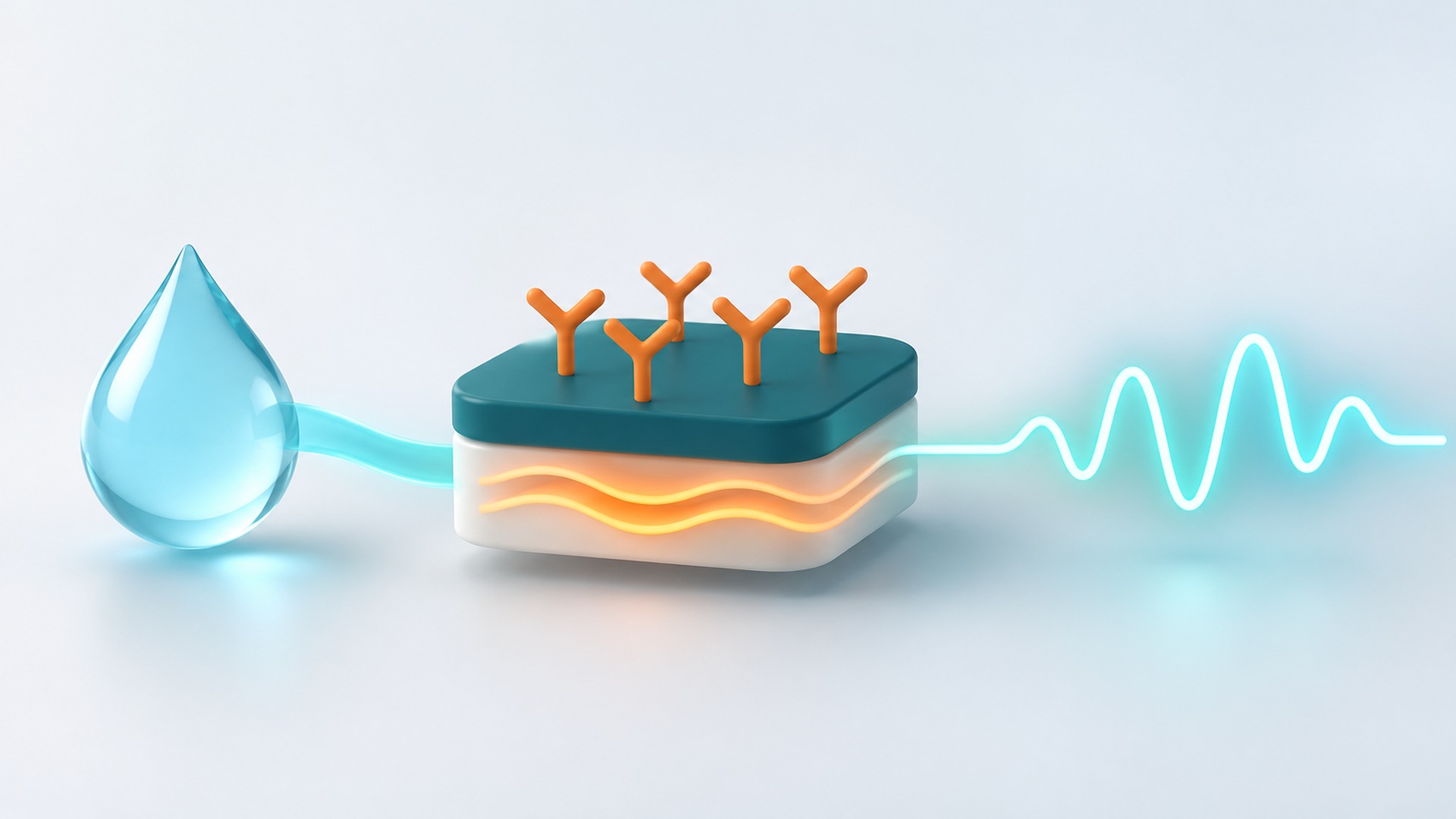 What Is a Sensor? Biosensors and Nanosensors Explained, With Examples From Water TestingWhat is a sensor? A receptor plus a transducer. See how biosensors use biological parts, how nanosensors use nanomaterials, and their use in water testing.
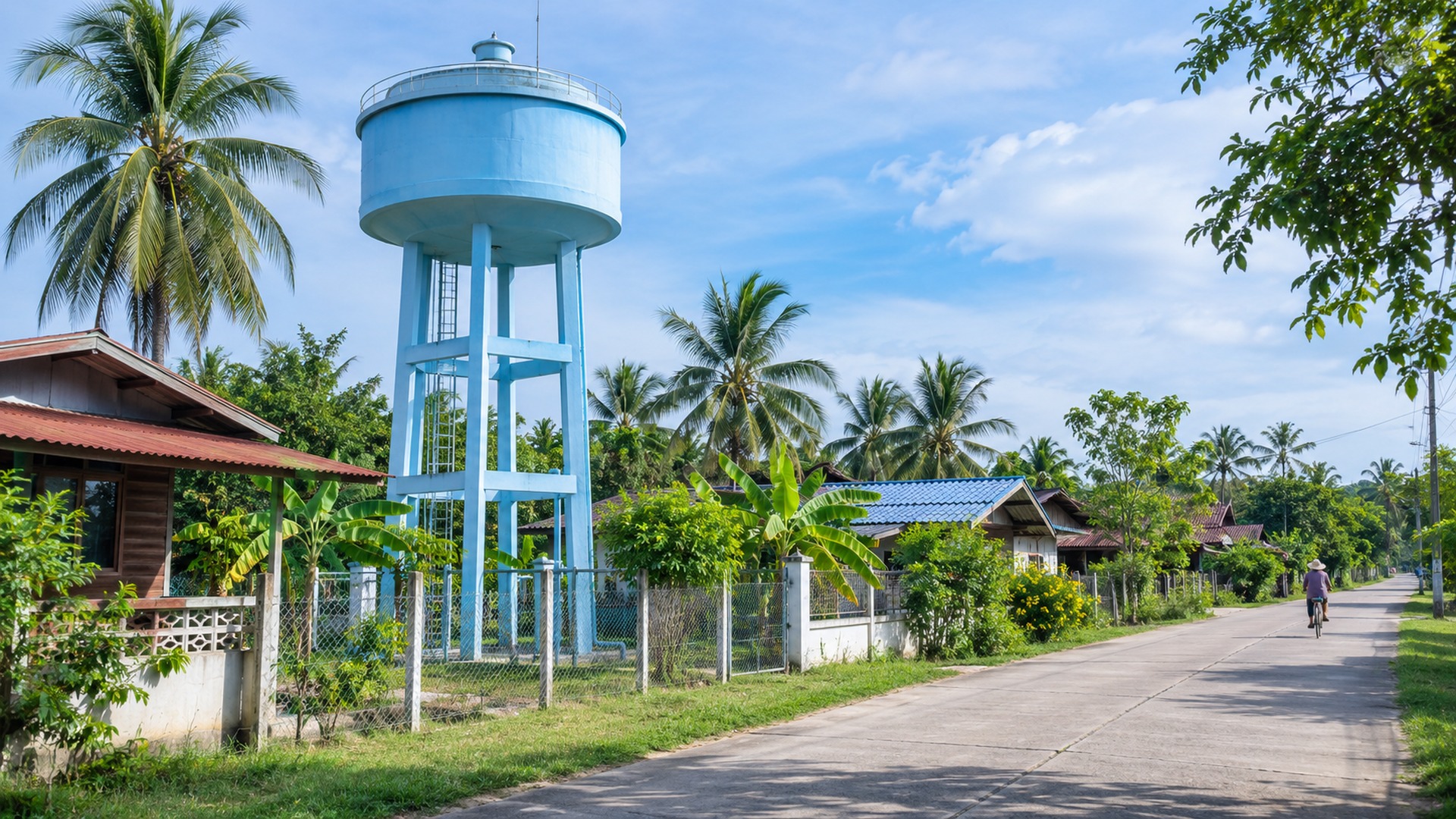 What Is a Village Water Supply? Who Owns It, Who Runs It, and How Water Is Treated Before It Reaches HomesA village water supply is a community system owned by local government; Thailand has about 70,000. Who runs it, well vs surface systems, and treatment steps.
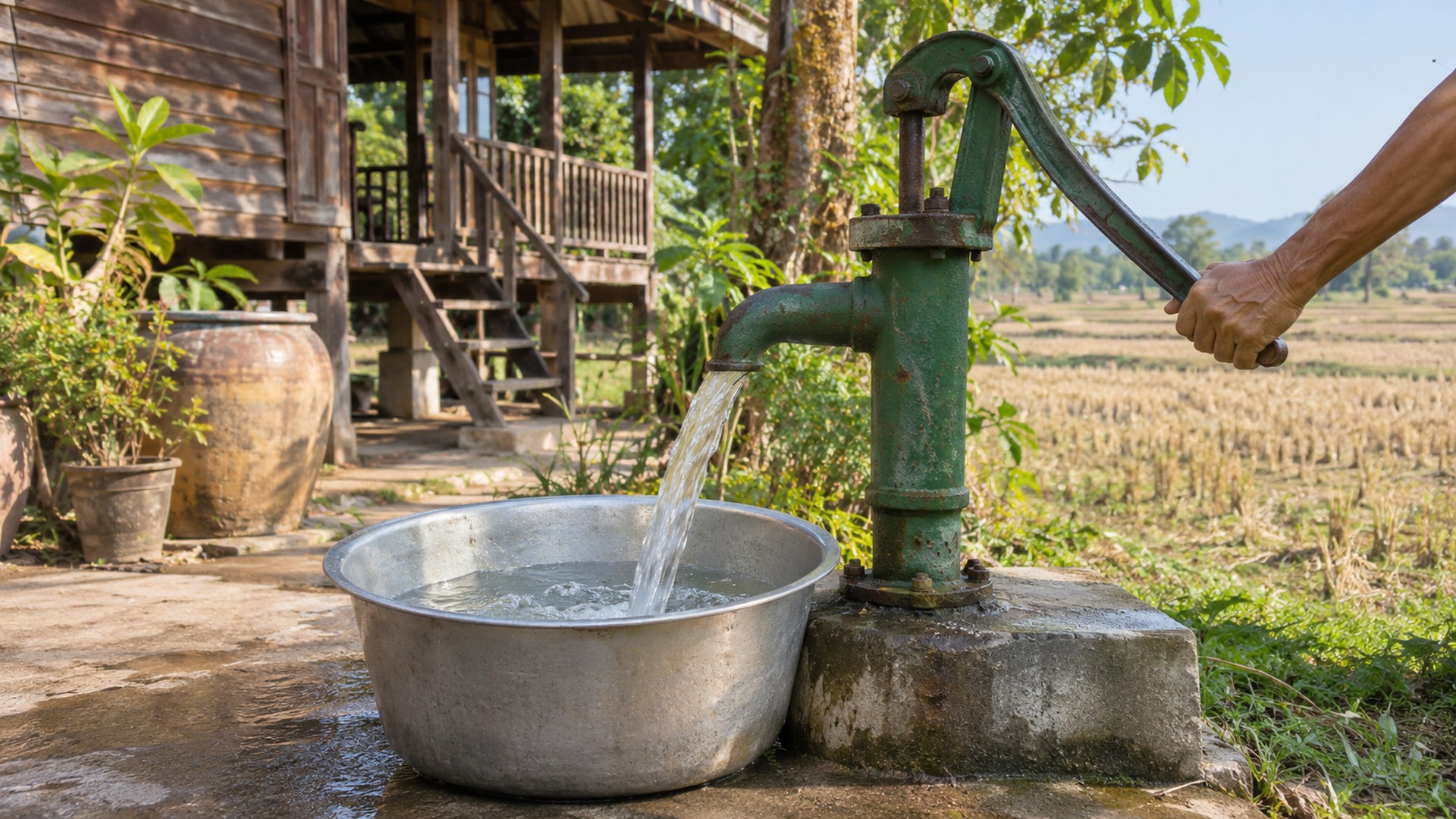 Is Well Water Safe to Drink? What to Test First, and Why Yellow, Rusty Water HappensIs well water safe to drink? Only when tests meet drinking water criteria. Clear is not safe: test germs, iron, manganese, fluoride, arsenic. Yellow is iron.
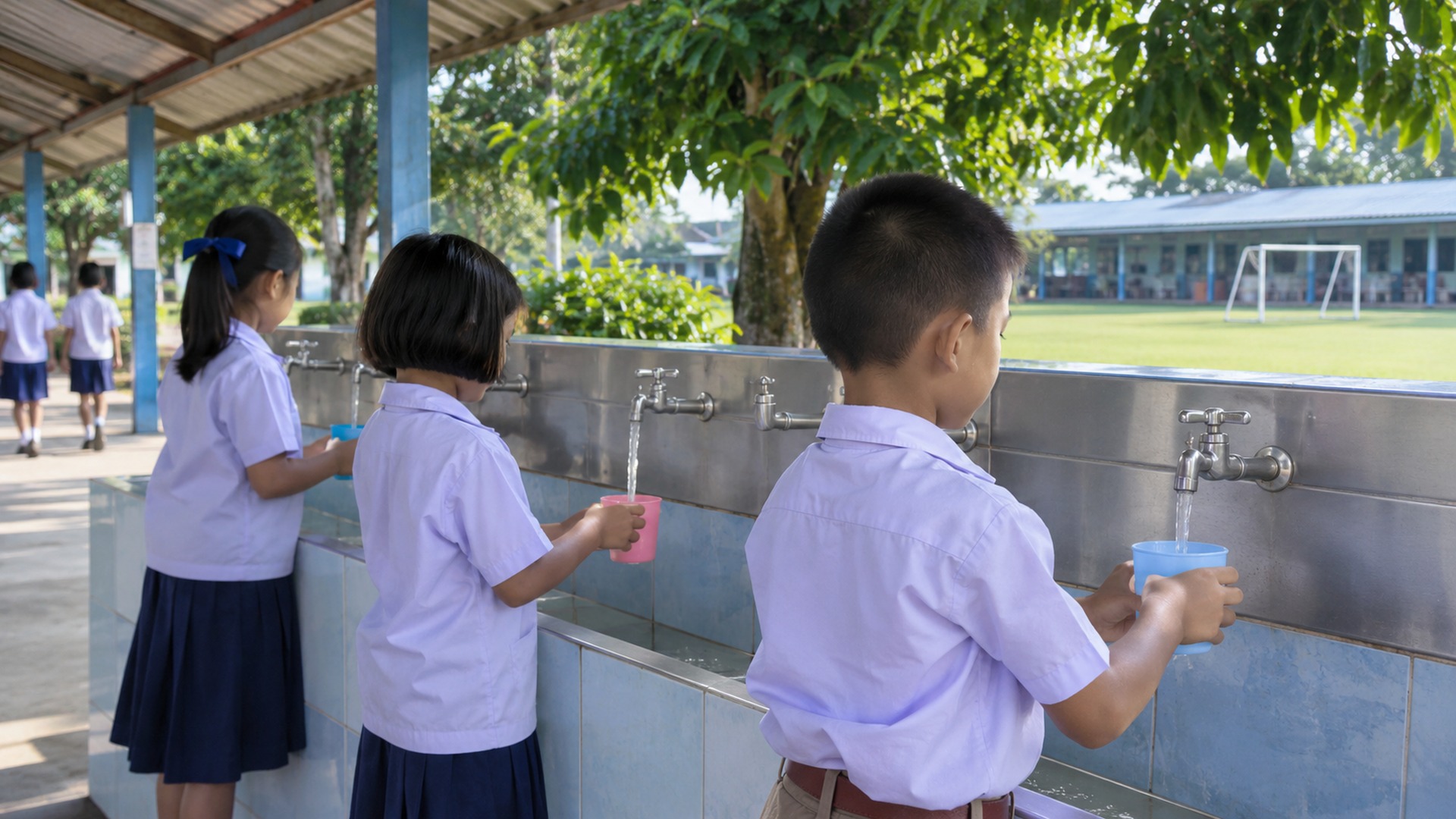 What Causes Dental Fluorosis? How Much Fluoride in Drinking Water Is Right, and How to Test ItDental fluorosis comes from too much fluoride while teeth form. Thailand sets fluoride in tap water at no more than 0.7 mg/L. How to test and lower the risk.
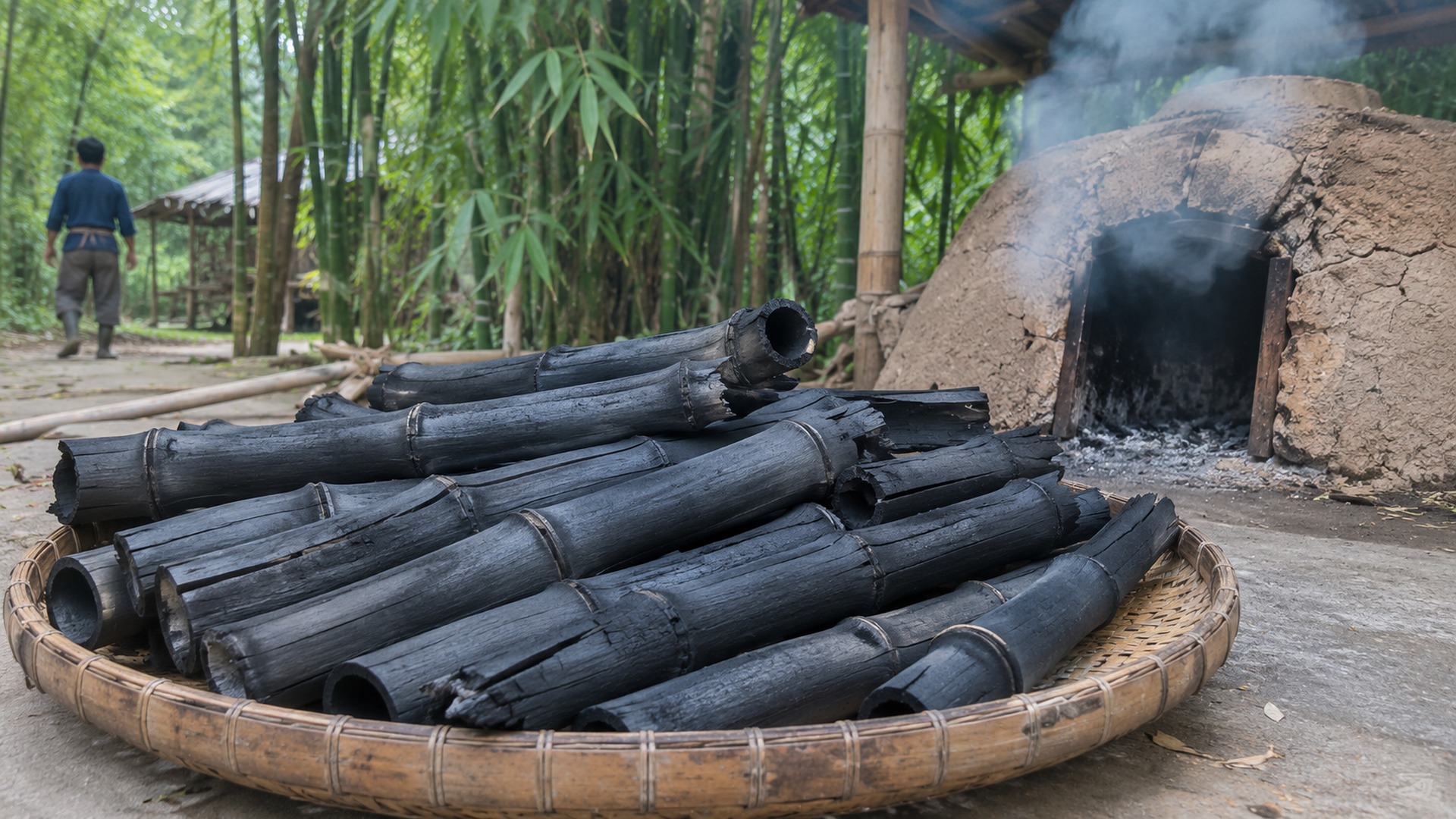 What Is Biochar? How It Differs from Activated Carbon, and How Well It Removes Arsenic from WaterBiochar is charcoal made from biomass with little oxygen; activated carbon is activated to adsorb more. How they differ, and how biochar can trap arsenic.
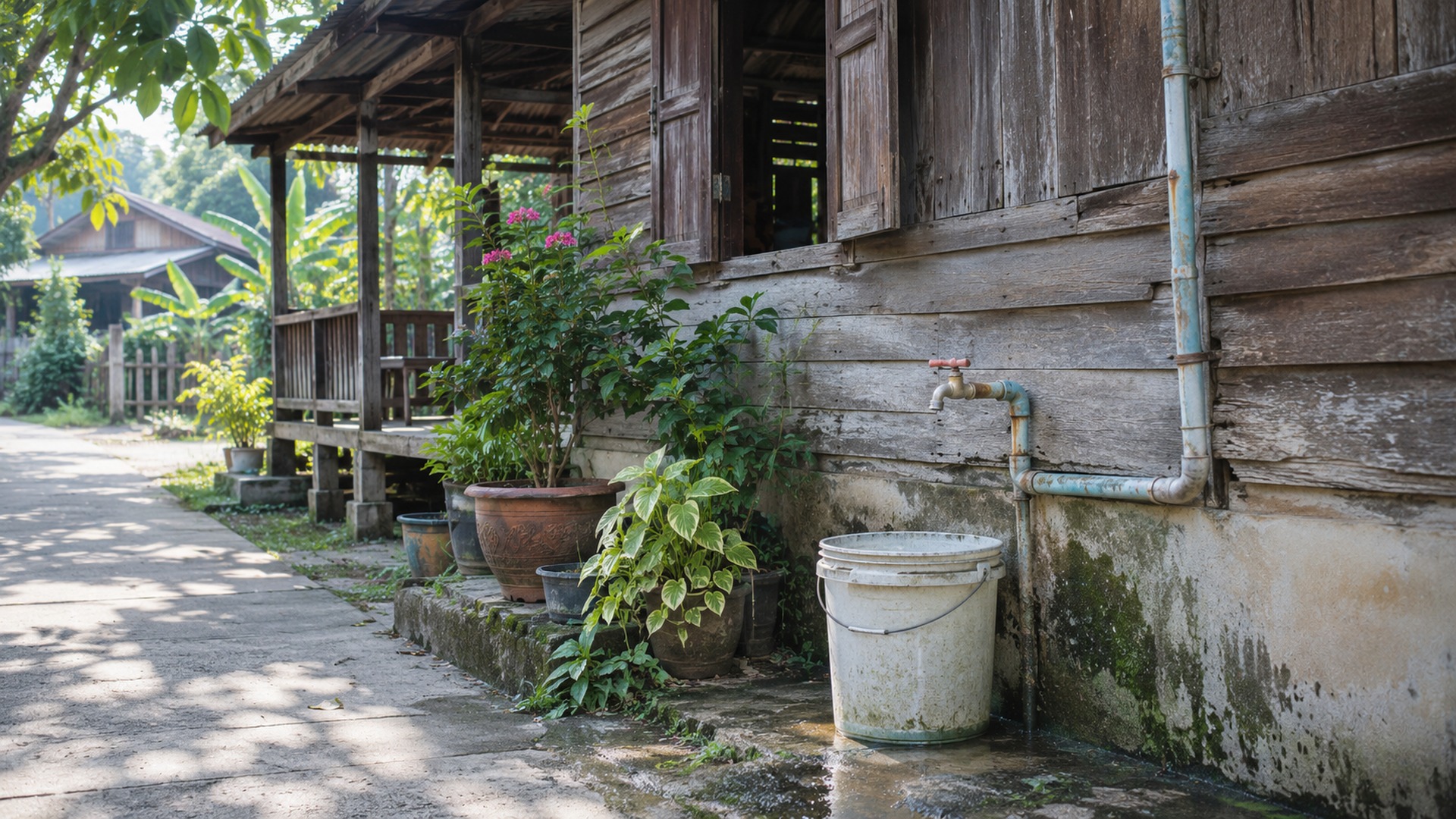 What Is Lead? How It Harms Health, and Where Lead in Water Comes FromWhat is lead? A metal with no known safe exposure level. Lead in tap water mostly comes from pipes, fittings and solder. Health effects, limits and testing.
 Minamata Disease: What Mercury Is and How It Gets Into Water and FishWhat causes Minamata disease? The three forms of mercury, why methylmercury builds up in fish, the Minamata Convention, and mercury limits in drinking water.
 Itai-Itai Disease: What Cadmium Is and How It Gets Into Rice and WaterWhat caused itai-itai disease? How cadmium harms the kidneys and bones, how it moves from water to rice paddies, Thai drinking water limits, and how to test.
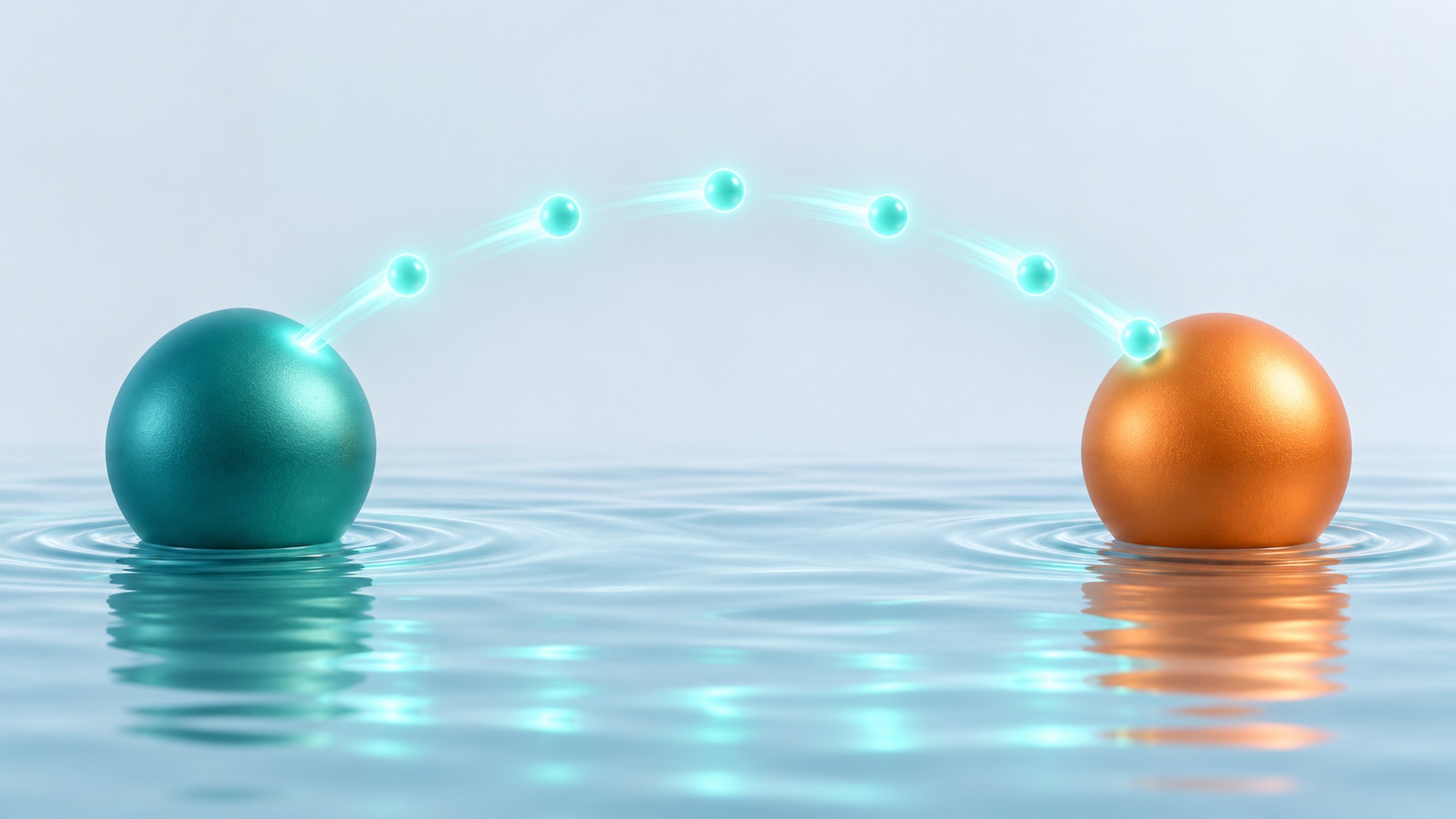 Redox Reaction Basics: What Is an Electrode, and How Does an Electrochemical Cell Measure Substances in Water?What is a redox reaction? Learn what an electrode is, anode vs cathode, the two types of electrochemical cell, cyclic voltammetry and heavy metal testing.
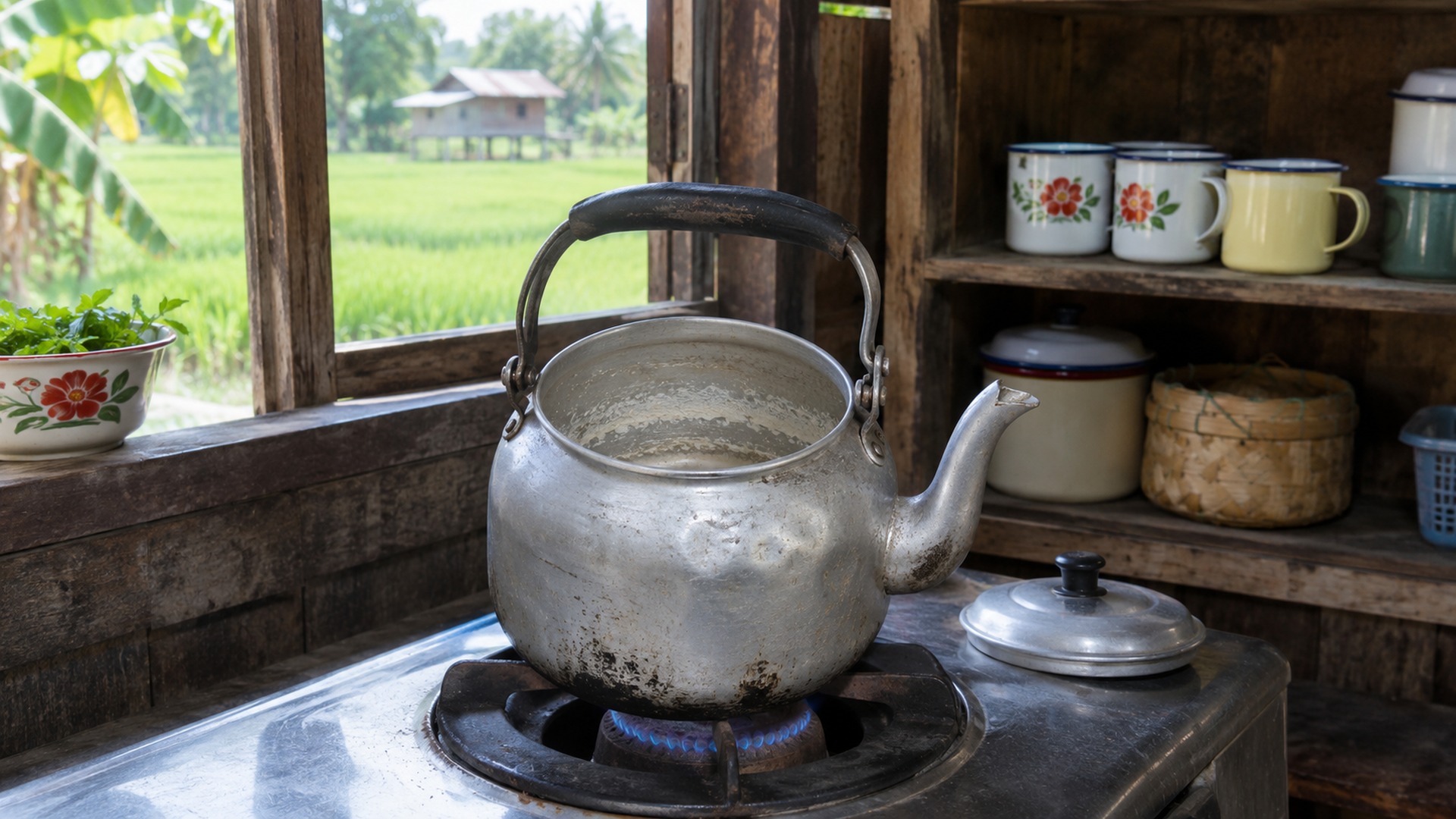 What Is TDS in Water? Safe TDS Levels, Hard Water, and Why TDS Does Not Reveal Heavy MetalsWhat is TDS in water? Total dissolved solids explained: the 500 mg/L Thai tap water limit, hard water, pH, and why a TDS reading cannot reveal heavy metals.
 What Is M-Sense? NANOTEC's Portable Heavy Metal Test Kit for Water: What It Detects and How It Is UsedM-Sense is a portable heavy metal test kit for water from NANOTEC, NSTDA. It tests arsenic, lead, cadmium and mercury electrochemically in about 5 minutes.