
ไทย
M-Sense / In the field

Already used in real water sources

M-Sense has passed field testing and has been handed over to agencies responsible for water quality.
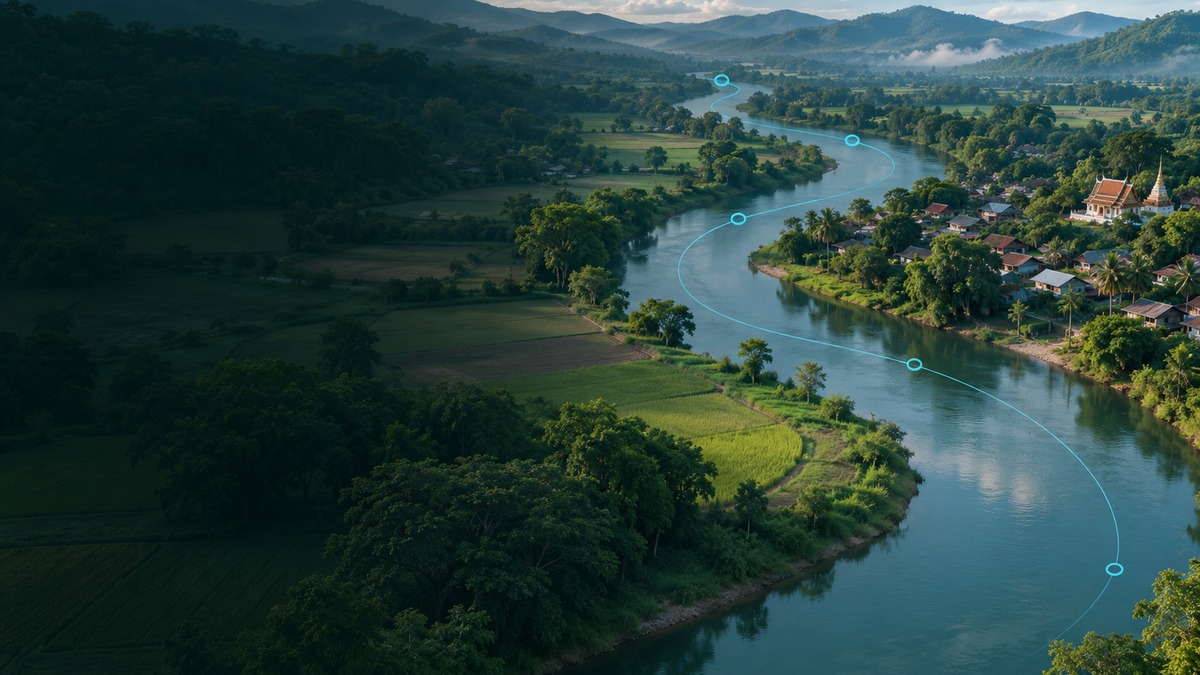
AI-generated illustration

Timeline

  1. Comparison with laboratory testing — Kok River basin

    With the Regional Environment and Pollution Control Office 1, Chiang Mai, M-Sense results were compared with standard laboratory methods and found consistent. The kits were then handed over to the office, in cooperation with the Pollution Control Department, to track and monitor heavy metals in water sources.

  2. Trial with the Chiang Rai Provincial Agriculture Office

    The test kit was trialed in the area

  3. 15 November 2026 — handover to the Chiang Rai Provincial Public Health Office

    The Ministry of Higher Education, Science, Research and Innovation handed over M-Sense in Mae Sai District and demonstrated testing at the water level station at Mae Sai Friendship Bridge 1, for officers to use in screening local water quality.
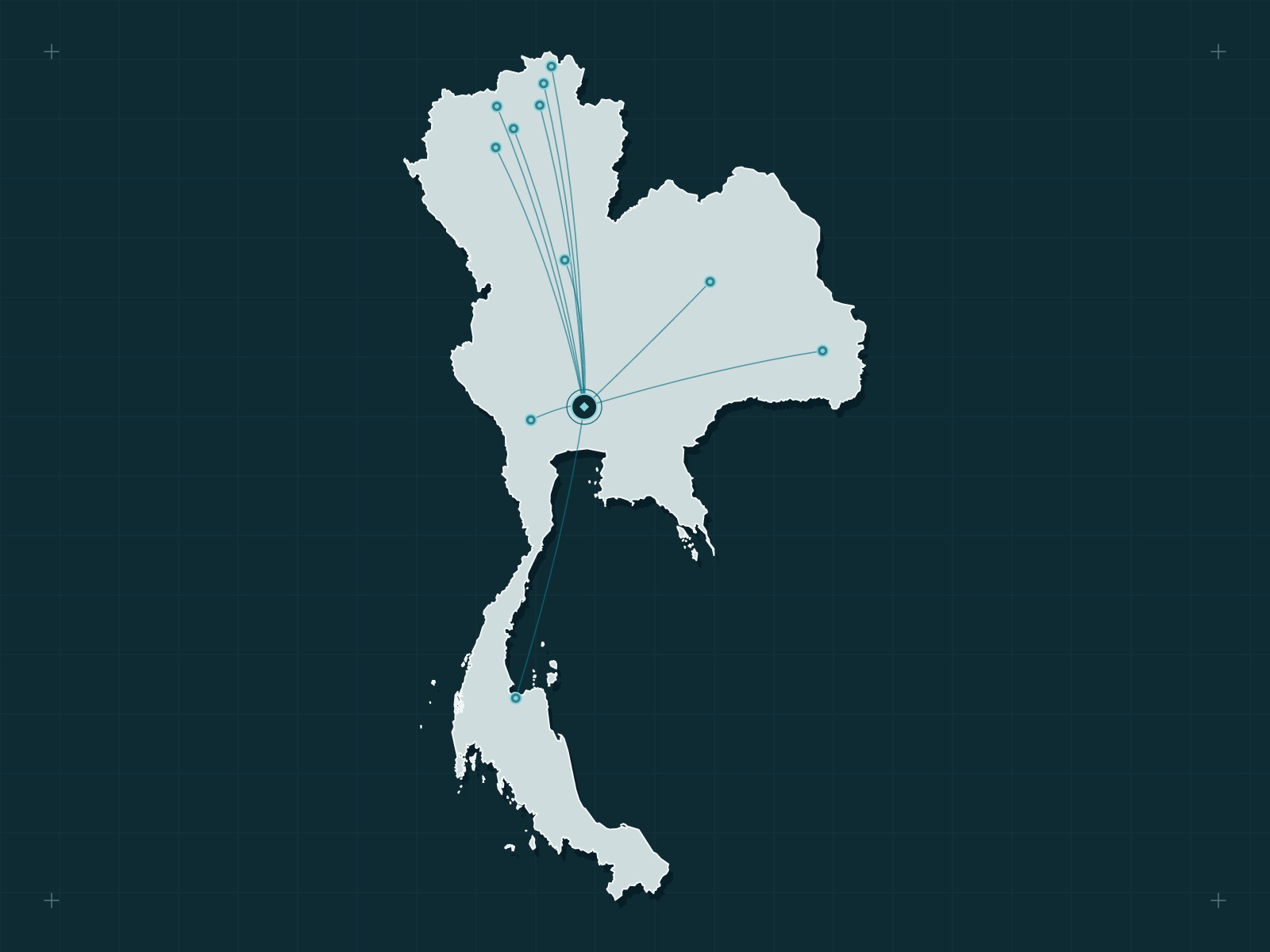
Diagram of a network of water quality monitoring points on a map of Thailand; points are example locations
Diagram explaining the concept of a monitoring network. Point locations are examples, not actual test sites · Map boundaries: geoBoundaries and © OpenStreetMap contributors (ODbL 1.0)

Used alongside other NANOTEC work

In NANOTEC's village water supply upgrades, water quality results are used to choose the treatment method and to track water quality before and after the upgrade. For example, at Ban Rim Kok, Chiang Rai, arsenic in raw water was 0.069 mg/L and fell to 0.0035 mg/L after treatment.

Arsenic · Ban Rim Kok, Chiang Rai
Limit 0.01 mg/L
Raw water
0.069 mg/L
After treatment
0.0035 mg/L

Does your agency need to monitor heavy metals in water?

NANOTEC, NSTDA assistantAnswers are based on NANOTEC information. Questions it cannot answer are passed to the team.

Privacy policy

The M-Sense website and its question-answering assistant are operated on behalf of the National Nanotechnology Center (NANOTEC), NSTDA.

Data collected: the messages you type in the chat and the contact details you enter yourself, such as name, organization, position, province, phone number and email. If you chat through LINE, the system sees your LINE display name and profile picture.

Used for: answering questions, passing your request to the NANOTEC team, contacting you back and improving the answers. Not used for other marketing, and never sold.

Automatic answers are generated by an artificial intelligence system, so chat messages are processed by AI and cloud service providers, which may be located outside Thailand.

Who sees the data: NANOTEC staff who handle inquiries and the website administrators.

You can ask to see, correct or delete your data through the "Ask NANOTEC" button or LINE @nanotec.